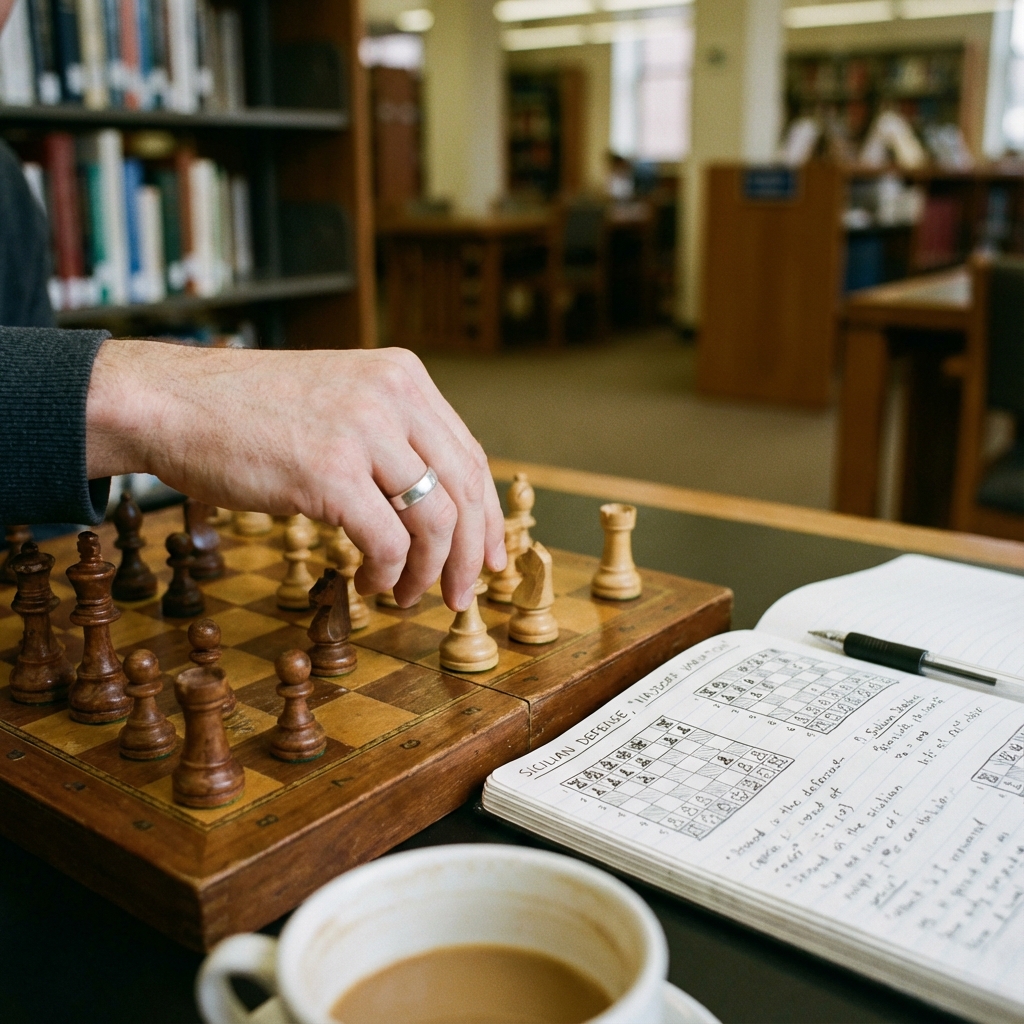
Learning Chess
Comprehensive resources to improve your skills, from beginner to advanced.
Opening Principles
1. Control the Center
The center squares (e4, e5, d4, d5) are the most important. Pieces placed in the center have more mobility and can influence more squares. Control the center to control the game.
2. Develop Your Pieces
Get your knights and bishops into the game quickly. Don't move the same piece multiple times in the opening unless necessary. Develop all your pieces before launching an attack.
3. Castle Early
Castling moves your king to safety and connects your rooks. Generally, you should castle within the first 10 moves to protect your king and activate your rook.
4. Don't Bring Out the Queen Too Early
While the queen is powerful, bringing it out too early can make it a target. Develop your minor pieces (knights and bishops) first, then bring out the queen when it's safe and useful.
5. Connect Your Rooks
After castling, your rooks should be able to see each other. This allows them to work together and control important files (columns) on the board.
Essential Tactics
Fork
A single piece attacks two or more enemy pieces at once. Knights are excellent at forking!
Example: Knight attacks both king and queen
Pin
A piece is pinned when it cannot move without exposing a more valuable piece behind it.
Example: Bishop pins knight to king
Skewer
Similar to a pin, but the more valuable piece is in front and must move, exposing the piece behind.
Example: Rook skewers queen and rook
Discovered Attack
Moving one piece reveals an attack by another piece behind it. Can be very powerful!
Example: Moving bishop reveals rook's attack
Double Attack
Attacking two targets simultaneously. Your opponent can only defend one, so you win the other.
Example: Queen attacks two pieces at once
Back Rank Mate
A checkmate pattern where the king is trapped on the back rank by its own pieces.
Example: Rook or queen delivers mate on back rank
Strategic Concepts
Pawn Structure
The arrangement of pawns determines the character of the position. Weak pawns (isolated, doubled, or backward) can become targets. Strong pawn structures provide support for your pieces and limit your opponent's options.
Piece Activity
Active pieces are more valuable than passive ones. Place your pieces on squares where they have maximum influence. Rooks belong on open files, bishops on long diagonals, and knights on strong central outposts.
King Safety
Keep your king safe throughout the game. In the opening and middlegame, castle to safety. In the endgame, activate your king to help with pawn promotion.
Material vs. Position
Sometimes it's worth sacrificing material for a better position, initiative, or attack. Learn to evaluate when material is less important than activity, coordination, or a direct attack.
Endgame Basics
King and Pawn Endgames
In endgames, the king becomes a powerful piece. Learn the "square rule" for pawn races and the concept of "opposition" - controlling key squares to advance your pawns.
Basic Checkmates
- King and Queen vs. King: Force the king to the edge, then deliver mate
- King and Rook vs. King: Use the "boxing" method to restrict the king
- Two Rooks vs. King: Use the "ladder" or "staircase" method
Activate Your King
In the endgame, your king should be active. Bring it to the center to support your pawns and attack your opponent's pawns. A centralized king is often worth a pawn or more.
Study Resources
📚 Books
- "Bobby Fischer Teaches Chess" - Great for beginners
- "How to Reassess Your Chess" - Strategic understanding
- "100 Endgames You Must Know" - Essential endgames
🌐 Online Resources
- Chess.com - Puzzles and lessons
- Lichess.org - Free puzzles and analysis
- ChessBase - Database and training
🎯 Practice
- Solve tactical puzzles daily
- Review your games
- Play regularly with stronger players
👥 Join a Club
- Play over-the-board games
- Learn from experienced players
- Participate in tournaments
Improvement Tips
Study Tactics Daily
Solve 10-20 tactical puzzles every day. Pattern recognition is key to improvement.
Analyze Your Games
After each game, review what went well and what you could improve. Use an engine to find mistakes.
Learn from Masters
Study games by great players. Try to understand their plans and ideas.
Play Longer Time Controls
While blitz is fun, longer games (15+ minutes) help you think deeply and improve your calculation.
Be Patient
Improvement takes time. Focus on understanding concepts rather than memorizing moves.
Practice at Kanata Chess Club
Join us for biweekly gatherings where you can practice what you've learned, play friendly games, and participate in tournaments. All skill levels welcome!